Concrete X-Ray Scanning
Subsurface scanning done right. From rebar mapping to post-tension cable detection—serving Colorado with precision.
Concrete X-Ray Scanning contractor near you
We proudly serve the Denver metro area, and Colorado, providing top-quality drilling services for residential, commercial, and industrial projects. With our comprehensive guide, we ensure your needs are met with precision and professionalism.
Why Core & Saw is better
-
1. Dedicated commercial focus
We specialize in high-volume, fast-paced construction environments.
-
2. Expert operators
Our technicians bring years of experience and field knowledge to every job.
-
3. Responsive servie
Need a crew on-site fast? We offer flexible scheduling and 24/7 availability.
-
4. Safety-first culture
Fully insured, OSHA-compliant, and equipped with top-tier PPE and procedures.
FAQ
Whether you need “Concrete X-Ray scanning experts” or “GPR scanning experts,” our skilled team ensures quality results.
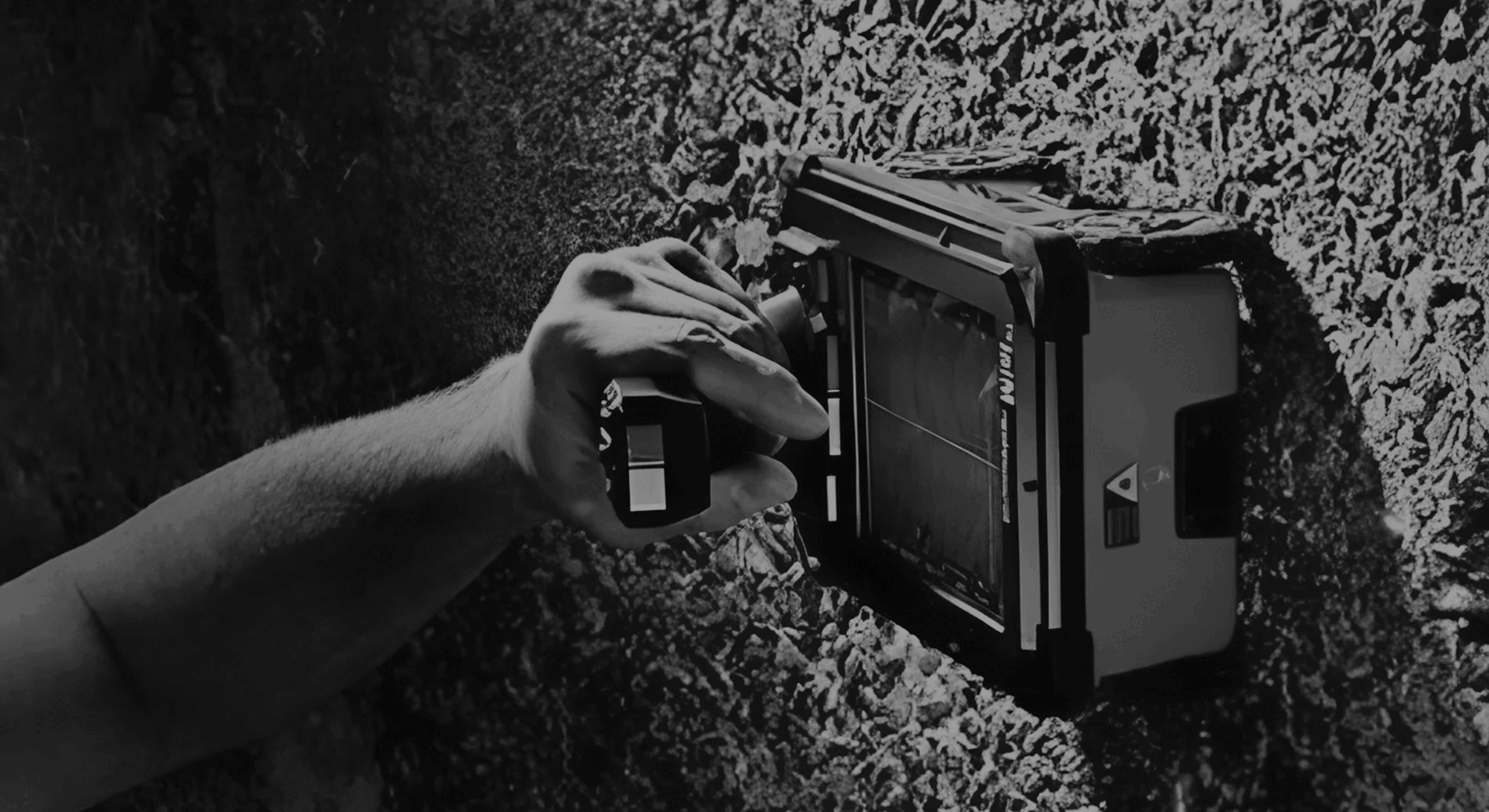
Concrete scanning with Ground Penetrating Radar (GPR) uses radar pulses to detect objects embedded within concrete structures. It helps locate rebar, post-tension cables, pipes, conduits, and voids—ensuring safe cutting or drilling without damaging hidden elements.
GPR uses radio waves and requires access to only one side of the structure, making it faster, safer, and more versatile than X-ray. X-ray imaging, while detailed, involves radiation exposure, requires access to both sides, and often comes with higher costs and safety protocols.
For most construction and renovation projects, GPR is the preferred choice due to its speed, safety, and real-time data output. X-ray may be better suited for extremely dense materials or high-precision applications in medical or forensic environments.
GPR can typically scan up to 18 inches deep into concrete, depending on the material’s density, moisture content, and the amount of reinforcement. Lower-frequency antennas can reach greater depths but with lower resolution.
GPR scanning can identify:
Rebar and post-tension cables
Conduits and embedded pipes
Voids or air pockets
Slab thickness and layer composition
Hidden utilities and anomalies
Locating utilities before cutting, drilling, or excavating prevents accidental damage to electrical lines, water pipes, gas mains, and communication cables—reducing safety risks, costly repairs, project delays, and liability.
Utility locating is essential for:
- General contractors
- Electricians and plumbers
- Facility managers
- Excavation crews
Homeowners planning renovations
These services ensure a safe, code-compliant start to any construction activity—especially in urban or densely developed areas.
Yes. GPR is effective on vertical surfaces such as walls, columns, and ceilings, allowing safe detection of rebar, conduits, and other embedded elements before drilling or coring.
Yes. GPR is completely non-destructive and emits no harmful radiation. It is safe for use on active construction sites as well as in sensitive environments like schools, hospitals, and residential properties.
We offer rapid-response GPR scanning throughout Colorado. In most cases, we can mobilize within 24 to 48 hours—sometimes even the same day for urgent requests.
Core & Saw provides a comprehensive range of precision concrete services, including:
Diamond core drilling
Concrete and asphalt cutting (wall, slab, wire, and floor sawing)
GPR concrete scanning and utility locating
Concrete patching and pour-back
Concrete grinding
CCTV video pipe inspection

Fill out the form and we’ll get back to you to discuss your project details